Specialty Acupuncture and Bodywork
Neuromuscular Acupuncture & Dry Needling
Precision Muscle Release Method
Sometimes the body needs direct, hands-on attention.
Injuries that never fully healed. Tension that settled in so gradually it began to feel normal. Pain that comes and goes or stopped going. Orthopedic conditions that have been managed but not resolved. Layers of compensation built on top of layers of compensation, until the original problem is buried and the whole system is working harder than it should.
Precision Muscle Release is a clinical bodywork method designed to work through those layers — systematically, from the deepest structures outward — releasing what has been held, restoring what has been lost, and giving the body back its range, its ease, and its capacity to heal.
This is not massage. It is precise, active, clinical work. And you feel the difference immediately.
It is particularly well-suited for chronic and orthopedic pain, post-surgical and post-injury recovery, lingering conditions that other treatments have not fully resolved, and pain that keeps returning without a clear explanation. If you have been told to simply manage your pain, there is another option.
The method
How It Works
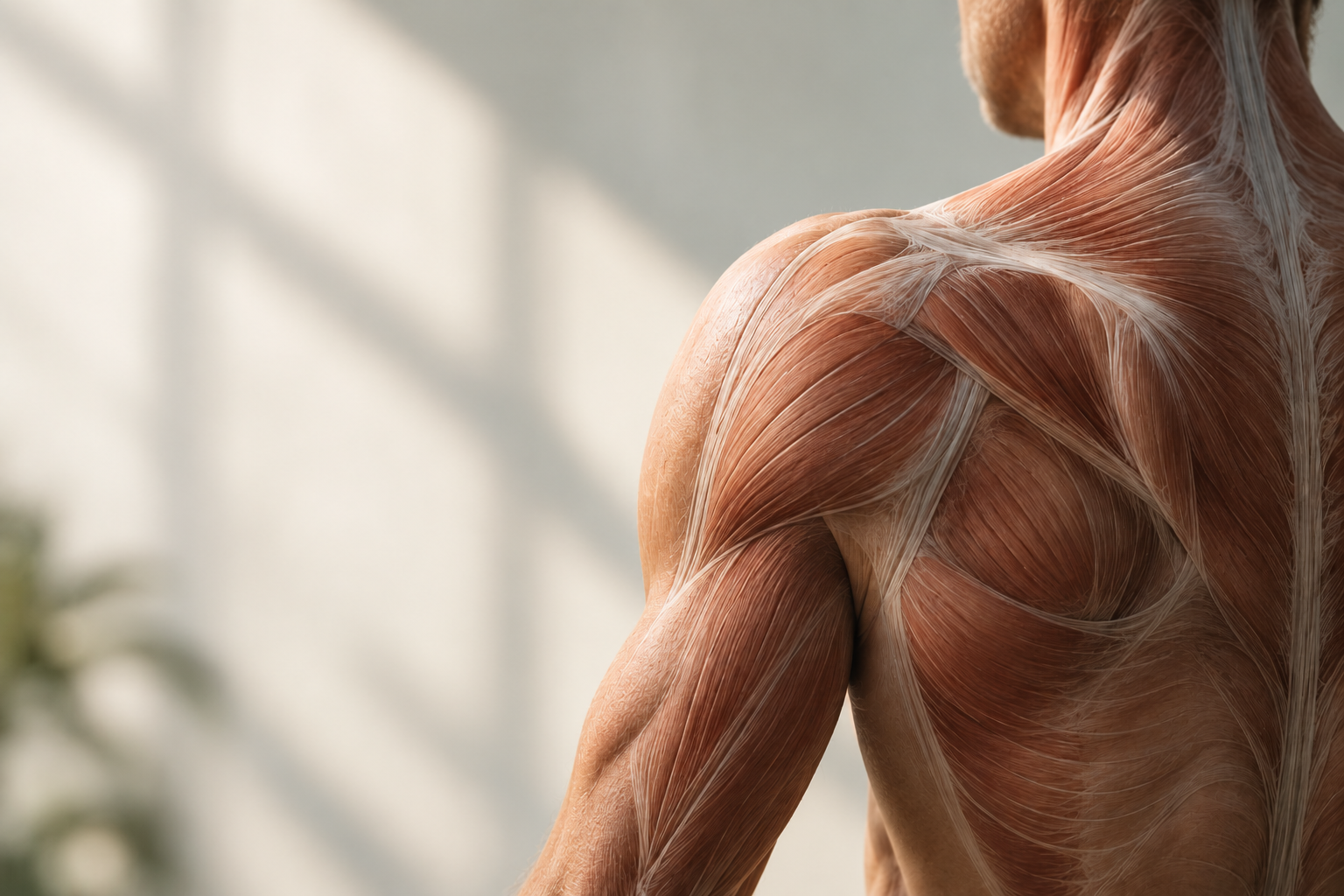
The body stores tension in layers. Precision Muscle Release works with that architecture deliberately — beginning at the deepest available layer and working outward toward the surface, integrating each release before moving to the next.
This sequencing matters. Releasing superficial tension on top of a locked deeper layer is incomplete work. Going deep first, and progressively releasing outward, is how lasting change happens.
Each session draws from a full toolkit of clinical techniques, selected and combined in real time based on what your body is presenting that day.
Clinical techniques
The Toolkit
Dry Needling — Trigger Point & Motor Point Therapy
Fine filiform needles are inserted directly into trigger points, the tight, hyperirritable knots within muscle tissue that generate both local pain and referred pain elsewhere in the body. Motor point needling targets the precise neuromuscular junction where the nerve enters the muscle, releasing chronic contraction at its source. The result: immediate reduction in muscle tension, interruption of pain cycles, restored range of motion, and accelerated tissue repair. When combined with electrical stimulation, the effects go deeper still.
Electro-Stimulation (E-Stim)
Low-voltage electrical current is delivered through the needles or surface electrodes to stimulate muscle contraction and release, interrupt pain signals before they reach the brain, reduce inflammation, improve local circulation, and accelerate tissue healing. E-stim is particularly effective for chronic and orthopedic pain that has not responded to other treatments, nerve-related conditions, and post-surgical or post-injury recovery. It also supports neuromuscular re-education, helping the nervous system relearn healthy patterns of movement and contraction.
Cupping
Medical-grade suction cups are placed on the skin to create negative pressure, lifting the tissue upward rather than compressing it downward. This decompressive force draws fresh oxygenated blood into stagnant, congested areas; releases fascial restrictions; breaks up adhesions between skin, fascia, and muscle; and pulls inflammatory byproducts to the surface for lymphatic clearance. The result is looser tissue, reduced inflammation, improved circulation, and a noticeable softening of deep chronic tension.
Gua Sha or Scraping
A smooth clinical instrument is used to apply firm, unidirectional strokes across lubricated skin and underlying tissue. This helps mobilize fascia, release superficial and mid-layer muscle tension, stimulate circulation, and support tissue recovery. Where cupping lifts and decompresses, gua sha mobilizes and works across the tissue.
Percussion Therapy
Rapid, concentrated mechanical pulses are delivered into muscle tissue and fascial layers to help reduce muscle tension, improve local circulation, mobilize stiff tissue, and prepare the body for deeper manual work. Used strategically within a session, percussion can help prepare tissue for treatment or consolidate a release already achieved.
Manual Therapy
Hands-on joint mobilization, myofascial release, and targeted soft-tissue work help restore mobility, address structural restrictions, and integrate the releases achieved through the other modalities. Manual therapy is the connective layer of the session, allowing skilled assessment and adjustment as the body responds.
Common reasons people seek this work
What This Addresses
Precision Muscle Release is particularly well suited for:
Your session
A Note on What to Expect
You will be an active participant. Sessions involve communication throughout about sensation, tolerance, and what the body is doing in real time.
The work is always adapted to where you are that day. Some sessions go deep immediately. Others require more preparation of the surface layers first. Guillaume reads the tissue and follows what it needs.
Precision Muscle Release
Where care is provided
Acupuncture Together
This care is provided at Acupuncture Together , where Guillaume sees patients in a one-on-one specialty capacity as the clinic's Clinical Director.
Schedule specialty care
Book Through Acupuncture Together
Neuromuscular Acupuncture and Precision Muscle Release sessions are scheduled through Acupuncture Together of Austin.
Book Through Acupuncture Together